
Driving in a bus lane can be unfamiliar for new drivers. Understanding when and how you can use these lanes is important to stay safe and avoid fines. This guide explains everything in a clear, easy-to-follow way—from the rules to the fines and signs you need to know, so you can feel more confident on busy city streets.

What You Need to Know About Driving in a Bus Lane
To help you get started, here’s a quick overview of what this guide covers. It highlights the key areas we’ll be looking at, so you know what to expect.
- Can You Drive in a Bus Lane?
- Bus Lane Signs Explained
- What Is the Fine for Driving in a Bus Lane?
- Do You Get Points for Driving in a Bus Lane?
- Common Bus Lane Mistakes and How to Avoid Them
- Bus Lanes Around the UK: Variations and Exceptions
- Tips for Learners and New Drivers

Can You Drive in a Bus Lane?
Bus lanes aren’t always open to all vehicles, so it’s important to know when you can use them. They are designed to give buses, and in some cases cyclists and taxis, a clear path through busy roads—especially during peak traffic hours. Using bus lanes at the wrong time can disrupt traffic and may result in a fine.
Bus lanes usually operate at certain times of day, as indicated by nearby signs. Outside of these times, most drivers are allowed to use the lane, but it’s always important to double-check the signs before you do. Remember, you could get a fine for parking in bus lanes as well, so it’s not just about driving; stopping or waiting in a bus lane can also be penalised.
Keep in mind that some bus lanes are “24-hour” lanes, meaning you cannot drive in them at any time unless you’re in a certain vehicle, like a bus, taxi, or cycle. These are more common in city centres or busy main roads. Learning these rules is an essential part of your driving. If you’re taking automatic driving lessons in London, understanding bus lane usage will help you drive safely and responsibly.
For learners, it can be helpful to think of bus lanes as part of regular road awareness. Paying attention to signs and markings indicating who can use the lane helps improve overall observation skills and keeps you safer on the road.

Bus Lane Signs Explained
Knowing how to read bus lane signs is key. Bus lane signs and markings are designed to be simple, but they can look different depending on your location. Generally, you’ll see:
- Rectangular signs at the start and end of a bus lane showing who can use it and when.
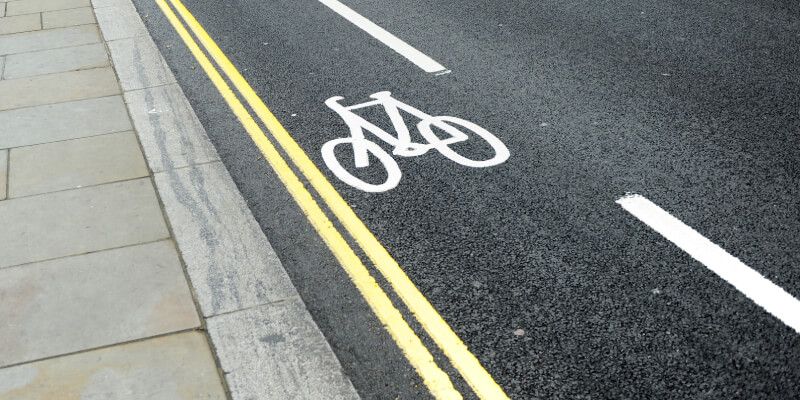
- Road markings, such as a solid or dashed white line separating the bus lane from other lanes.
- Sometimes a red or yellow surface is used to make the lane more noticeable.
Signs often state hours of operation, e.g., “7:00–10:00 am, Mon–Fri.” Outside these hours, the lane may be for general traffic. Familiarising yourself with bus and cycle signs and road markings helps you avoid mistakes on the road.
For learner drivers, practising recognition of these signs with our automatic driving instructors in London can make a big difference. Using real-life examples during lessons, such as spotting a bus lane on a busy high street or approaching one at a roundabout, will help you remember the rules better. Even practising simple routines like scanning your mirrors and anticipating other vehicles will give you a clearer sense of when it’s safe to use or exit a bus lane.

What Is the Fine for Driving in a Bus Lane?
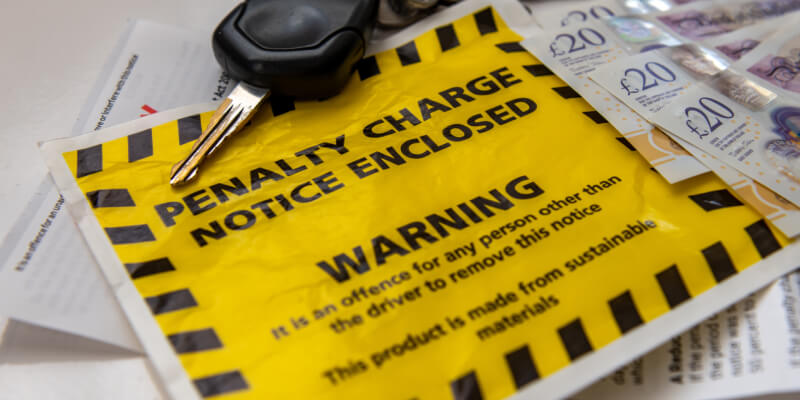
If you end up using a bus lane when you shouldn’t, you’ll normally be sent a fine. Across most of the UK, this is a Penalty Charge Notice (PCN), usually around £60, though it’s often reduced if you pay it quickly. In London, things work a little differently, as Transport for London enforces its own system where charges can be higher.
Fines can be issued automatically by CCTV cameras that monitor bus lanes 24/7 in some areas, especially on busy roads and red routes. Even if you don’t see a traffic warden, you could still get a notice in the post. In addition, some councils may use mobile enforcement officers to catch drivers in bus lanes during operating hours.
Being caught in a bus lane isn’t just inconvenient—it can also affect your driving confidence, especially if you’re still learning. Keeping track of when and where bus lanes operate is the simplest way to avoid penalties. And for learners, practising with your instructor how to identify bus lanes while navigating traffic can help build confidence. Understanding exactly what constitutes an offence, such as stopping briefly or entering the lane outside of allowed hours, will help you avoid unnecessary fines.
Do You Get Points for Driving in a Bus Lane?
The good news is that driving in a bus lane doesn’t usually result in penalty points on your licence. It is generally considered a civil offence rather than a criminal one, but it is still treated seriously.
While you won’t get penalty points, you should treat bus lane rules with the same care as other traffic laws. After all, understanding these rules is part of becoming a responsible driver. For learners, this is an important habit to get into early. It also reinforces the habit of consistently checking road signs and timings, which will be beneficial beyond bus lanes alone.
Common Bus Lane Mistakes and How to Avoid Them
Even experienced drivers sometimes get bus lanes wrong. Here are some common mistakes and tips for avoiding them:
- Ignoring the times on signs: A bus lane may operate only during morning and evening peak hours. Outside these times, it may be fine to use the lane. Always check the times.
- Mistaking cycle lanes for bus lanes: Some lanes are reserved for both buses and cycles, which can make it easy to get confused. Remember to read the signage carefully.
- Stopping in a bus lane: Whether it’s to drop someone off or answer a phone, stopping can result in a fine. You could get a fine for parking in bus lanes, so it’s always safer to pull over in a legal area.
- Merging too late: If a bus lane ends and you need to merge into the general lane, signal early and check your mirrors. Rushing at the last moment can be dangerous.
- Assuming all bus lanes are 24/7: Some lanes operate all day, but most only have restricted times. Don’t make assumptions—check the signs.
It’s helpful to think of bus lanes as a way to improve your overall road judgement. Practising these scenarios during automatic driving lessons in London allows you to make better decisions under pressure, which will be especially useful if you’re navigating urban areas during your driving test.
Bus Lanes Around the UK: Variations and Exceptions
Bus lane rules are not identical across the UK, so it’s worth knowing how things can differ depending on where you are.
- London: Many bus lanes are part of red routes, which are monitored 24/7 by cameras. On these roads, driving in the bus lane during restricted times can result in a fine, even if it’s just for a few seconds.
- Northern Ireland: Some cities have bus lanes that allow taxis and cyclists, but the signs and markings may differ slightly. Roads in Belfast and other urban areas often have clear markings on the road surface, so keep an eye out.
- Other UK cities: Manchester, Birmingham, and Edinburgh, have bus lanes operating mostly during rush hours. Knowing the start and end points is key, especially if you’re merging onto a busy main road.
There are a few exceptions. Emergency vehicles can use bus lanes at any time, while some lanes allow motorbikes and delivery vehicles only during certain hours. This can be confusing for new drivers, so it’s important to pay attention to local signs. Familiarising yourself with these rules is especially helpful if you’re taking your test in an area with many bus lanes, and knowing what’s allowed will help you drive confidently and avoid fines.

Tips for Learners and New Drivers
Navigating bus lanes can feel intimidating at first, but with some practical tips, you’ll soon get the hang of it:
- Always check the signs and times: Bus lanes aren’t always active.
- Watch out for road markings: Solid lines usually mean strict restrictions.
- Don’t stop or park in a bus lane: You could get a fine and disrupt traffic.
- Use your mirrors and signals: This is essential before entering or leaving a bus lane.
- Practice with an instructor: Working with an instructor allows you to learn the rules of bus lanes safely and develop good habits before driving independently.
- Plan your route: Avoid complicated bus lanes when possible, particularly if you’re still a learner.
- Stay calm in busy areas: In urban areas, bus lanes are everywhere, so keeping your focus on the road and adjusting to traffic flow are essential.
Bus lanes are part of modern urban driving, and knowing how to use them responsibly will give you an advantage when you start driving independently. The more you practice, the more natural these skills will feel by the time you take your test.

Final Thoughts
Bus lanes can feel unfamiliar at first, but once you get to know the signs, timings, and fines, they’re just part of everyday driving. Learning these rules early can make things much easier and help you build good habits on the road.
Whether you’re working through theory questions, taking lessons, or have already passed your test, knowing how bus lanes work is a useful skill. Paying attention to the signs, sticking to the rules, and getting hands-on practice will make city driving more manageable.
Remember, being a responsible driver isn’t just about avoiding fines—it’s about keeping yourself and others safe on the roads.