
Learner drivers may feel that driving on a dual carriageway is a big change. The traffic moves faster, and the rules differ slightly from what you’ll be used to. It’s normal to feel uneasy at first. The good news is that once you learn how dual carriageways work, they become a lot easier to navigate and won’t seem as intimidating as they once did.
A dual carriageway is a type of road that helps traffic move smoothly by separating the vehicles travelling in different directions. It provides a safer option for overtaking and gives you experience driving at a higher speed. You need to make quick decisions and stay alert to other road users when using them.
It takes time to feel confident on a dual carriageway, but every driver gets used to it with practice. As you gain more experience, it will start to feel natural, and what once felt challenging will soon become a normal part of your driving.

Everything You Need to Know About Driving on a Dual Carriageway
Before getting comfortable on faster roads, it helps to have a clear understanding of how a dual carriageway works and what’s expected of you as a driver. From recognising different road types to knowing how to handle higher speeds and busier traffic, having this knowledge will make a noticeable difference to your confidence behind the wheel.
To help you get started, here are the key areas to focus on:
- What Is a Dual Carriageway?
- Single Carriageway vs Dual Carriageway
- What Is the Speed Limit on a Dual Carriageway?
- Can Learners Drive on a Dual Carriageway?
- Common Challenges When Driving on a Dual Carriageway
- Do You Go on a Dual Carriageway on Your Driving Test?
What Is a Dual Carriageway?
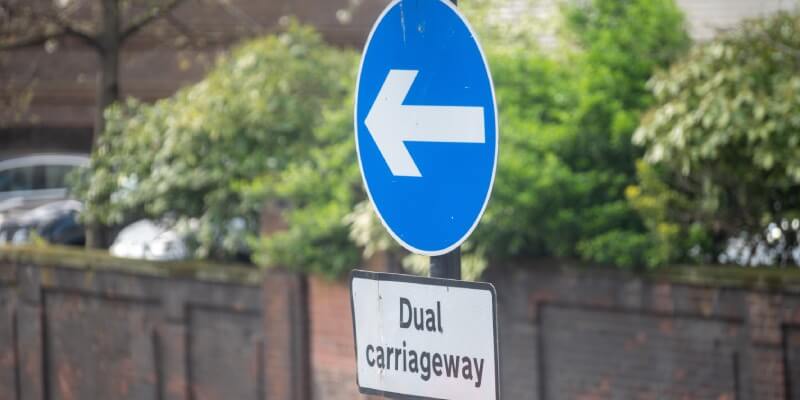
A dual carriageway is a road where traffic going in opposite directions is kept apart. Unlike smaller roads, where cars pass close together, dual carriageways are made for higher speeds and heavier traffic in a safer way. You can spot them by the central divider that splits the road into two sides.
These are the main features of a dual carriageway:
- A central barrier or reservation separates traffic moving in opposite directions.
- Each side usually has two or more lanes, so vehicles can overtake more easily.
- Entry and exit points are usually slip roads instead of direct turns.
- These roads are wider and built to help traffic flow more smoothly.
For many learners, driving on this kind of road can seem like a big change, especially with higher speeds and more activity around you. Practising in a calm, structured setting, like during automatic driving lessons in London, can really help. With practice, spotting a dual carriageway and knowing how to use it will feel natural, making you more confident as you take on more advanced driving.

Single Carriageway vs Dual Carriageway
Understanding the differences between a single carriageway and a dual carriageway will help you adjust your driving accordingly. In a single carriageway, vehicles travel in both directions on the same road. On a dual carriageway, each direction has its own lanes, separated by a divider.
This changes how traffic moves and affects things like overtaking.
Here are the main differences:
- Number of lanes: Single carriageways usually have one lane in each direction. Dual carriageways have two or more lanes on each side.
- Separation of traffic: Single carriageways do not have a physical divider. Dual carriageways have a central barrier or strip.
- Overtaking: Overtaking is more difficult on single carriageway roads. On dual carriageways, the extra lanes make it easier.
- Traffic movement: Single carriageways often feel slower and more limited. Dual carriageways are designed for smoother and steadier traffic.
When you can spot these differences, it becomes easier to adjust your driving. You might be more cautious on single carriageways and focus more on lanes and other vehicles on dual carriageways.
What Is the Speed Limit on a Dual Carriageway?
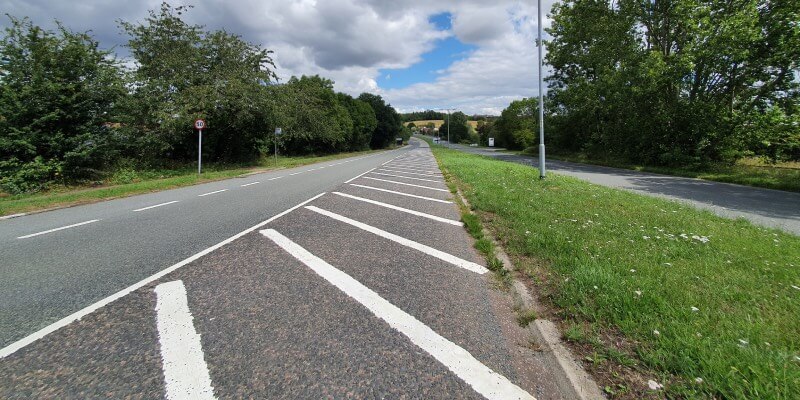
Knowing the speed limit on a dual carriageway is important, especially since this is usually where learners will first experience higher speeds. The national speed limit on a dual carriageway is 70mph for cars; however, this may vary depending on the vehicle or the area — you’ll sometimes find that a dual carriageway has a speed sign up displaying 40 or 50, so you’ll need to ensure you always pay attention to the posted speed limit.
Although the sign is the same for the national speed limit, it has a different meaning if you’re on a single carriageway, which has a maximum speed of 60mph. Dual carriageways offer more space and separation, making for a safer environment for higher speeds.
Even though there is a posted speed limit, you shouldn’t always drive at that speed. Road and weather conditions matter a lot. For example, if it’s raining, foggy, or icy, you should slow down and give yourself more time to react. On a dual carriageway, poor visibility or slippery roads can make high speeds unsafe.
The more experience you have in driving in these conditions, the easier it will be to choose the right speed for a situation. During our automatic driving lessons in London, our instructors will support learners in practising these decisions, showing when to keep their speed and when to slow down.
Overall, it’s best to view a speed limit as a guide, not a goal. Drive at a speed that feels safe, and always keep an eye out for other traffic and road conditions.

Can Learners Drive on a Dual Carriageway?
Learners can drive on dual carriageways, and doing so is a key step in building their confidence. These roads let you practise driving at higher speeds and handling more than one lane in a safe setting. It may seem like a big leap at first, but most learners try dual carriageways after they’ve learned the basics and feel ready.
Before you drive on a dual carriageway, it helps to feel confident with a few important skills:
- Keeping a steady speed and staying in control of the car.
- Checking your mirrors regularly and staying aware of surrounding traffic.
- Changing lanes smoothly and safely.
- Using signals clearly so others know what you plan to do.
- Choosing safe gaps before moving into another lane.
When you feel confident in these skills, driving on a dual carriageway becomes much easier. Our automatic driving instructors in London can help you build your confidence step by step, so you get used to busier and faster roads without feeling stressed.
Common Challenges When Driving on a Dual Carriageway
Driving on a dual carriageway is different from quieter roads. Traffic moves faster, and there is more going on, so it can take time to get used to the road layout, higher speeds, and making safe choices when changing lanes or joining and leaving the road. It is also important to know what can affect your stopping distance, especially at higher speeds when you need more time to react.
Here are the main areas that learners often find difficult:
- Checking blind spots: If you do not check your blind spots before changing lanes, you might miss vehicles that are not visible in your mirrors.
- Merging and exiting: If you misjudge the gaps when joining or leaving the dual carriageway, you might hesitate or end up in an unsafe position in traffic.
- Stopping distances: Not leaving enough space at higher speeds is risky. Your stopping distance can be affected by your speed, the weather, and the road surface.
- Maintaining a safe speed: Driving either too fast for conditions or too slowly compared to surrounding traffic can create safety issues and disrupt traffic flow.
These are some of the main challenges learners face when first driving on dual carriageways. Once you know about them and get some practice, they become easier to handle. With experience, you will start to read the traffic better and make safer choices.

Do You Go on a Dual Carriageway on Your Driving Test?
It’s pretty common for learner drivers to encounter a dual carriageway during their driving test, depending on the route the examiner picks. Not every test will have one, but many do if there’s one close by. So, it’s a good idea to be ready for it, even if you don’t end up driving on a dual carriageway during your test.
If your test route includes a dual carriageway, the examiner will watch how safely you manage higher speeds, change lanes, and stay aware of other vehicles. Leaving a safe distance, checking your mirrors, and making quick decisions are especially important.
That’s why it helps to know the rules of the road before your test. Review the Highway Code so you feel confident with road signs, markings, and the driving rules you might encounter on faster roads, such as dual carriageways.
Even if your test doesn’t include a dual carriageway, the skills you practice will still come in useful. Getting comfortable with lane discipline, speed awareness, and observation will make you feel more prepared and help avoid surprises on test day.

Key Points For Dual Carriageway Driving
Driving on faster, multi-lane roads might seem overwhelming at first, but it gets easier with time and practice. As you learn how traffic flows, where to position your car, and how to respond to changes, driving on a dual carriageway will become more manageable.
Confidence grows with practice. The more you drive in different situations, the easier it is to make good decisions without second-guessing yourself. Simple habits, like checking your mirrors, planning ahead, and watching other cars, make a big difference.
Remember, things like traffic, weather, or the road itself can change quickly. Being ready to adjust your driving in these moments helps you stay safe and in control.
If you’re learning to drive and want some extra support, Drive Auto London offers lessons in a calm and friendly setting. Our lessons are designed to help you build real-world driving skills and confidence.